
HP
HP Printer Guide
Enter your product name and model number to download smart drivers
Searching for Printers
Checking for HP printers...
Looking for printers on your local network.
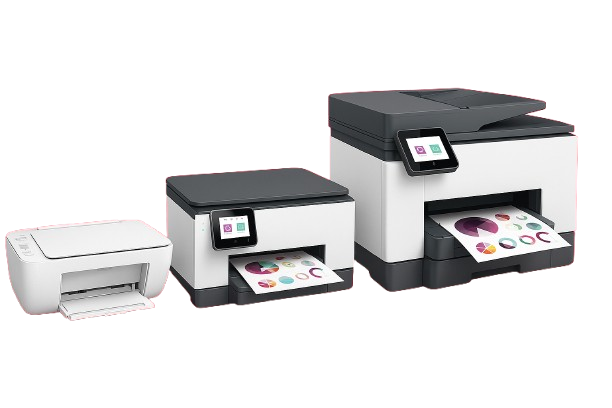
Wireless Printing Convenience
Print effortlessly from any device connected to your Wi-Fi network — no cables required.
Easy Setup Process
Follow easy steps to connect your printer to Wi-Fi and start printing in minutes.
Secure Network Connection
Keep your wireless printing safe with secure Wi-Fi setup and connection settings.
Automatic Updates
Keep your printer updated to ensure smooth and reliable wireless performance.
Reliable Customer Support
Get friendly assistance for any wireless printer setup questions..
Optimized Printer Settings
Adjust your printer settings for smooth, high-quality wireless printing.
Need Help For Printer & Scanner

Get Printer Manual
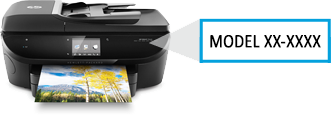
How to find printer model number?
> The product name is on the front of your device.
Complete Guide to Wireless Printer Setup and Troubleshooting
This page provides a detailed informational guide explaining how to set up a wireless printer, connect it to a WiFi network, and resolve common connection and offline issues. The information below is intended for general educational purposes to help users understand the standard setup process used by most modern printers.
Understanding Wireless Printer Setup
A wireless printer connects to your home or office internet network instead of using a physical cable. Once connected to WiFi, multiple devices such as laptops, desktops, tablets, and smartphones can send print jobs without needing a direct USB connection.
Before beginning setup, ensure that:
- Your wireless router is powered on and working properly.
- You know your WiFi network name (SSID).
- You know your WiFi password.
- Your computer or mobile device is connected to the same network.
Step-by-Step: Connecting a Printer to WiFi
- Turn on the printer and wait until it is fully ready.
- Access the printer’s control panel or display screen.
- Navigate to the network or wireless settings menu.
- Select the option for wireless setup or WiFi configuration.
- Choose your WiFi network name from the list.
- Enter your wireless password carefully.
- Confirm and wait for connection confirmation.
Once connected, the printer should display a confirmation message or show a steady wireless indicator light.
Connecting a Printer to a Computer
After connecting the printer to WiFi, the next step is adding it to your computer:
- Open your computer’s settings.
- Go to the devices or printers section.
- Select “Add Printer” or “Add Device.”
- Wait while your system searches for available printers.
- Select your printer from the list.
- Complete the installation process.
If the printer does not appear automatically, restarting both the printer and computer may help refresh the connection.
How to Connect a Printer to a Laptop
The process for connecting a printer to a laptop is generally similar to connecting it to a desktop computer. Ensure both devices are on the same wireless network. Open device settings, search for printers, and follow the installation prompts.
Fixing a Printer That Shows Offline
One of the most common issues users face is when the printer displays an “offline” message. This typically happens due to network communication problems.
Common Causes of Offline Errors
- The printer is not connected to WiFi.
- The printer and computer are on different networks.
- The printer was set to offline mode in system settings.
- The router was recently restarted.
Steps to Bring a Printer Back Online
- Restart the printer.
- Restart your computer.
- Restart your WiFi router.
- Open printer settings and ensure “Use Printer Offline” is not selected.
- Remove the printer and add it again in system settings.
Changing WiFi Network on a Printer
If you change your internet provider or update your router, the printer must be reconnected to the new network.
- Reset the printer’s network settings.
- Return to the wireless setup menu.
- Select the new WiFi network.
- Enter the updated password.
- Confirm the connection.
Connecting a Printer to a Mobile Device
Modern printers allow printing directly from smartphones and tablets.
- Ensure the printer is connected to WiFi.
- Connect your mobile device to the same network.
- Open your document or photo.
- Select the print option from the share menu.
- Choose your printer from the available list.
Understanding Wireless Network Issues
Wireless printing depends heavily on network stability. Weak signals or router placement may cause printing interruptions.
Tips to Improve Wireless Printer Performance
- Place the printer closer to the router.
- Avoid thick walls between printer and router.
- Restart your router periodically.
- Ensure firmware is up to date.
USB Setup as an Alternative
If wireless setup fails, connecting the printer temporarily using a USB cable can help complete initial configuration. After setup, the USB cable can be removed and the printer may operate wirelessly.
Printer Not Printing After Setup
If your printer connects successfully but does not print:
- Check paper levels.
- Check ink or toner status.
- Ensure there are no error messages on the display.
- Verify the correct printer is selected.
Resetting Network Settings
If troubleshooting steps do not resolve connection issues, resetting network settings may help.
- Access printer network settings.
- Select reset or restore network defaults.
- Confirm reset.
- Reconnect to WiFi using setup steps.
Common Setup Mistakes
- Entering incorrect WiFi password.
- Connecting printer to guest network.
- Router using unsupported frequency band.
- Firewall blocking printer communication.
Security Considerations
Always secure your wireless network with a strong password. Avoid sharing network credentials publicly.
When Additional Assistance May Be Needed
If setup steps do not resolve the issue, additional configuration assistance may be required depending on the device model and operating system.
This website provides general informational guidance for printer setup and troubleshooting. It is not affiliated with, endorsed by, or authorized by any printer manufacturer or brand.
Final Thoughts
Wireless printers offer convenience and flexibility when properly configured. Following correct setup procedures and maintaining a stable network connection can prevent most common issues.
Regular maintenance, proper network configuration, and periodic system updates help ensure smooth and reliable printing performance.
Frequently Asked Questions
1. Why does my printer show “offline” even though it is turned on?
A printer may show offline if it is not properly connected to the network or if there is a communication issue with the computer. Restarting both devices and checking the network connection usually helps resolve this.
2. What is the WPS button on a printer?
The WPS button allows you to connect a printer to your wireless router without manually entering the WiFi password. Both the router and printer must support WPS for this method to work.
3. How can I reset my printer’s network settings?
Most printers have a network reset option in the settings menu. Resetting network settings will remove saved WiFi details and allow you to reconnect the printer to your wireless network.
4. Can I print from my mobile phone using WiFi?
Yes, many printers support wireless printing from smartphones and tablets. Your mobile device and printer must be connected to the same network.
5. Why is my printer printing slowly over WiFi?
Slow printing can occur due to weak signal strength, large file sizes, or network congestion. Moving the printer closer to the router or reducing file size may improve performance.
Disclaimer: This content is provided for general informational purposes only. We are an independent service provider and are not affiliated with a