
Canon
Canon Printer guide
Enter your product name and model number to download smart drivers
Scanning for Devices
Searching for Canon printers...
Initializing device lookup...
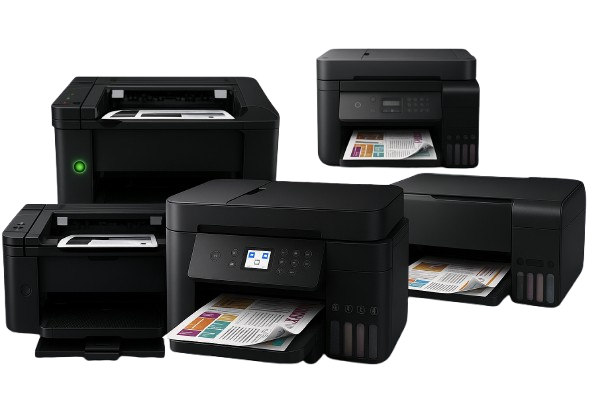
Wireless Printing Convenience
Print effortlessly from any device connected to your Wi-Fi network — no cables required.
Easy Setup Process
Follow easy steps to connect your printer to Wi-Fi and start printing in minutes.
Secure Network Connection
Keep your wireless printing safe with secure Wi-Fi setup and connection settings.
Automatic Updates
Keep your printer updated to ensure smooth and reliable wireless performance.
Reliable Customer Support
Get friendly assistance for any wireless printer setup questions..
Optimized Printer Settings
Adjust your printer settings for smooth, high-quality wireless printing.
Need Help For Printer & Scanner

Get Printer Manual
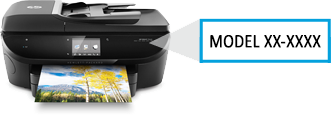
How to find printer model number?
> The product name is on the front of your device.
Complete Guide to Printer Wireless Setup and Connectivity Troubleshooting
This page provides general educational information about setting up a printer on a wireless network and resolving common connectivity issues. The steps outlined here apply to most modern printers that support wireless communication.
Wireless printing allows multiple devices such as computers, laptops, tablets, and smartphones to send print jobs without the need for physical cables. Proper configuration ensures smooth operation and stable communication between devices and the printer.
Understanding Printer Network Connectivity
Wireless printers connect to a router using WiFi. Once connected, the printer receives print commands through the local network. All devices connected to the same network can communicate with the printer.
The router acts as the central communication hub. If the router restarts or experiences signal interruption, printer connectivity may be temporarily affected.
Before You Begin Setup
- Ensure the printer is powered on.
- Verify paper is loaded correctly.
- Confirm ink or toner cartridges are properly installed.
- Make sure you know your WiFi network name (SSID).
- Have the correct WiFi password available.
Standard Wireless Setup Process
- Access the printer’s control panel.
- Open the network or wireless settings menu.
- Select the wireless setup option.
- Choose your network from the list.
- Enter the correct password carefully.
- Confirm and wait for connection confirmation.
After successful setup, the wireless indicator should stop blinking and remain steady.
Connecting a Printer to a Computer
For Windows Systems
- Open Settings.
- Go to Devices.
- Select Printers & Scanners.
- Click Add a Printer.
- Select the detected printer.
- Complete installation prompts.
For macOS Systems
- Open System Settings.
- Select Printers & Scanners.
- Click Add Printer.
- Choose available printer from the list.
- Confirm installation.
Connecting Printer to a New WiFi Network
If you recently changed your internet router or password, the printer must reconnect to the new network.
- Open network settings on the printer.
- Reset wireless settings if necessary.
- Select the new network name.
- Enter updated password.
- Confirm connection.
Printer Showing Offline – Explanation
When a printer appears offline, the computer cannot establish communication with the device. This does not always mean the printer is turned off.
Possible Causes
- Network interruption
- Router restart
- Printer sleep mode
- Incorrect default printer selection
- Driver communication error
Steps to Bring Printer Back Online
- Restart the printer.
- Restart the computer.
- Restart the router.
- Check printer network status.
- Ensure printer is set as default device.
- Remove and re-add printer if necessary.
How to Check Printer IP Address
Most printers allow printing a configuration page. This page displays the IP address assigned to the printer.
The first three number groups of the IP address should match the network range of your computer.
Weak Signal or Intermittent Connection
If printing works occasionally but disconnects frequently, the issue may be signal strength.
- Move printer closer to router.
- Reduce physical obstructions.
- Avoid placing printer near electronic interference sources.
- Switch to a less crowded WiFi channel.
Printer Connected But Not Printing
If the printer shows connected but does not print:
- Cancel stuck print jobs.
- Restart print spooler service.
- Check ink or toner levels.
- Verify no paper jams are present.
Connecting Printer to Laptop
Ensure the laptop is connected to the same WiFi network as the printer. Open printer settings and add the device through system configuration.
Connecting Printer to Mobile Devices
- Connect phone or tablet to WiFi.
- Open the file or image.
- Select the Print option.
- Choose the available printer.
- Confirm printing.
Changing WiFi Router
When replacing your router:
- Reconnect printer to new network.
- Update saved WiFi credentials.
- Verify network visibility.
- Restart connected devices.
Factory Reset for Network Settings
If configuration fails repeatedly, resetting network settings may help.
- Access settings menu.
- Select restore network defaults.
- Confirm reset.
- Reconnect to WiFi.
Understanding Wireless Bands
Some printers support only 2.4GHz networks. If your router broadcasts both 2.4GHz and 5GHz, ensure compatibility with your printer model.
Firewall or Security Software Interference
Certain firewall settings may block printer detection. Temporarily disabling security software can help test connectivity.
Driver and System Compatibility
Ensure your operating system is updated. Outdated systems may fail to detect newer devices properly.
Common Setup Errors
- Incorrect WiFi password entry
- Connecting to guest network
- Incorrect time/date settings
- Router filtering settings enabled
Maintaining Stable Printer Performance
- Keep firmware updated.
- Restart printer periodically.
- Maintain clean hardware components.
- Ensure proper ventilation.
Understanding Network Configuration Pages
A configuration page includes:
- IP address
- Signal strength
- Connection type
- Network status
Wireless vs Wired Connection
Wireless connections provide flexibility. Wired connections provide stable communication in high-traffic environments.
When Additional Configuration Is Required
Advanced networks may require:
- Static IP assignment
- Manual port configuration
- Network discovery adjustments
Understanding Default Printer Settings
If multiple printers are installed, ensure the intended device is selected as default.
Security and Privacy Considerations
Always use secure WiFi passwords. Avoid open or unsecured networks when configuring printers.
General Maintenance Tips
- Keep printer firmware current.
- Perform periodic cleaning cycles.
- Store printer in dry, dust-free environment.
- Replace consumables when low.
Disclaimer
This page provides general informational guidance for printer setup and troubleshooting. It is not affiliated with, endorsed by, or officially connected to any printer manufacturer or brand.
Conclusion
Wireless printer setup is typically straightforward when network conditions are stable and credentials are entered correctly.
Most connectivity issues can be resolved through basic troubleshooting steps such as restarting devices, reconnecting to WiFi, and verifying network configuration.
Maintaining proper network setup ensures consistent performance and reduces the likelihood of offline or connection errors.
Frequently Asked Questions
1. Why is my printer not connecting to WiFi?
This can happen if the WiFi password is incorrect, the signal is weak, or the printer is too far from the router. Restarting both the router and printer often helps resolve the issue.
2. Can I connect my printer without using a USB cable?
Yes, many modern printers support wireless setup directly from the control panel. Make sure your printer supports WiFi connection and follow the on-screen instructions.
3. How do I reconnect my printer after changing the router?
If you replace or reset your router, you will need to reconnect the printer to the new network using the updated WiFi name and password.
4. Why is my printer connected but not printing?
Check if the printer is set as the default device and confirm there are no pending print jobs stuck in the queue. Restarting both the computer and printer may also fix the problem.
5. Is wireless printing secure?
Wireless printing is generally secure when connected to a password-protected network. Using a strong WiFi password and keeping your devices updated can help maintain security.
Disclaimer: This content is provided for general informational purposes only. We are an independent service provider and are not affiliated with any printer manufacturer.